Bone Grafting After Tooth Loss: Why It’s Crucial for Future Implants
Losing a tooth can impact more than just your smile; it can also affect your long-term oral health. When a tooth is lost, the bone that once supported it begins to deteriorate over time. This bone loss can make it difficult to replace the missing tooth with a dental implant later on. Fortunately, bone grafting offers a reliable way to restore lost bone and prepare the jaw for future implant placement. Understanding how bone grafting works and why it matters can help you make confident decisions about your oral health and treatment options.
Understanding Bone Grafting
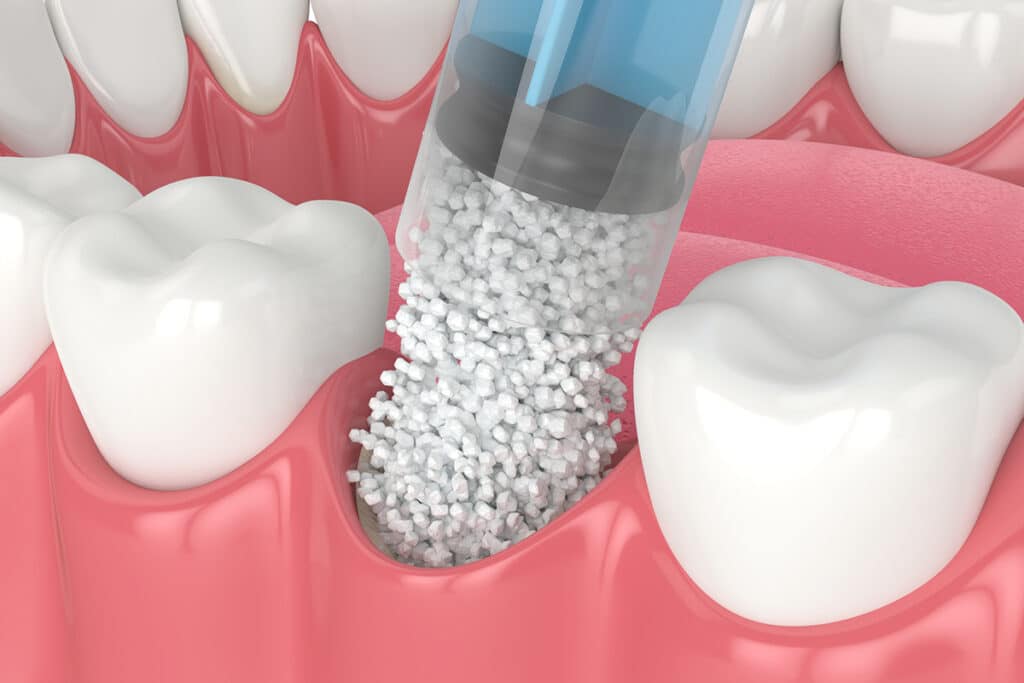
Bone grafting is a surgical procedure that replaces or regenerates lost bone in the jaw. The process involves placing grafting material in the area where bone is missing, which stimulates new bone growth and strengthens the jaw structure. This grafting material can come from your own body, a donor source, or a biocompatible synthetic option. Over time, your body integrates the graft, creating a solid foundation for a dental implant.
This procedure is especially important after tooth loss, as the jawbone naturally begins to resorb when it no longer receives stimulation from the tooth root. Without intervention, this bone loss can progress to the point where implants or other restorations become difficult or impossible without additional surgery.
Why Bone Grafting Is Essential After Tooth Loss
When a tooth is lost, the surrounding bone starts to shrink because it no longer experiences the everyday pressure and motion of chewing. This process can begin within just a few months. Bone grafting not only prevents further deterioration but also rebuilds the lost bone volume, restoring the natural contour of your jaw and supporting nearby teeth.
For patients considering dental implants, bone grafting is often the first step toward a stable and lasting restoration. Implants rely on a strong jawbone for support; if that foundation isn’t solid, the implant may not properly integrate. By strengthening the area through bone grafting, oral surgeons can create the ideal environment for successful implant placement.
The Bone Grafting Process: What to Expect
Bone grafting is performed under local anesthesia or sedation, depending on the complexity of the case and the patient’s comfort level. During the procedure, your oral surgeon makes a small incision in the gum tissue to access the bone and places the grafting material in the desired area. In some cases, a protective membrane is used to guide healing and prevent soft tissue from interfering with bone growth.
The healing process can take several months, during which the graft gradually integrates with your natural bone. Once your oral surgeon confirms that the grafted area is strong enough, you can move forward with implant placement or another restorative treatment.
Benefits of Bone Grafting for Long-Term Oral Health
Bone grafting offers more than just support for implants; it also helps preserve facial structure and overall dental function. Without enough bone volume, the face may appear sunken or aged over time due to the loss of structural support. Restoring the bone helps maintain a more natural appearance and keeps your remaining teeth stable.
Additionally, bone grafting helps prevent further oral health issues such as shifting teeth, bite changes, and jaw discomfort. By addressing bone loss early, you’re not only setting the stage for future implants but also protecting your long-term dental health and facial harmony.
Is Bone Grafting Right for You?
Your oral surgeon will perform a thorough evaluation that includes digital imaging to assess bone quality and volume. If significant bone loss has occurred, grafting may be recommended to restore the area before implant surgery.
Patients who have had missing teeth for a long time or who have experienced periodontal disease are especially likely to need bone grafting. With today’s advanced techniques, most patients can undergo this procedure safely and comfortably, ensuring a stronger foundation for any future restorations.
Recovery After Bone Grafting
After your bone grafting procedure, you can expect mild swelling, tenderness, or minor discomfort for a few days. Your oral surgeon will provide detailed aftercare instructions, which may include using ice packs, good nutrition, and taking prescribed medications to manage discomfort. Following these guidelines closely helps ensure optimal healing and reduces the risk of complications.
Most patients are able to resume their normal daily activities within a few days. Full healing, however, takes time, as the bone must regenerate and strengthen before implant placement can occur. Your oral surgeon will schedule follow-up visits to monitor your progress and determine when the site is ready for the next phase of treatment.
Frequently Asked Questions About Bone Grafting
How long does bone grafting take to heal?
Healing time can vary depending on the size and location of the graft, but most patients can expect full integration within three to six months. Your oral surgeon will monitor healing and let you know when the area is ready for implant placement.
Is bone grafting painful?
Bone grafting is typically performed under local anesthesia or sedation, so patients remain comfortable during the procedure. Some mild soreness may occur afterward, but it can usually be managed with over-the-counter pain relievers and post-op care instructions.
At Fullerton Oral Surgery, we take pride in providing advanced, compassionate care to restore your smile and oral health. Our skilled oral surgeon specializes in procedures like bone grafting, dental implants, and other reconstructive treatments designed to give you lasting results. To learn more or schedule an appointment, contact us today.